
2026 Top Forklift Crane Types for Global Buyers
Global buyers need more than lifting capacity when comparing 2026 Forklift Crane types. They need stable performance, clear specifications, service access, and dependable operator protection. A compact warehouse model may suit short indoor routes. A rough-terrain version may perform better on uneven construction sites. Telescopic designs can reach higher shelves, yet they often demand stricter load planning.
Material-handling consultant John R. Nelligan offers a practical reminder: “A Forklift Crane earns trust through controlled lifting, not impressive numbers alone.” This principle deserves attention. Buyers should examine rated load charts, attachment compatibility, hydraulic response, visibility, turning radius, and maintenance support. A machine that lifts 2,000 kilograms may not handle that weight at full reach.
The details matter.
Real operating conditions can expose weak assumptions. Dust may enter exposed mechanisms. Narrow aisles can punish poor steering choices. An imported unit may look affordable, but unavailable parts can create costly downtime. Buyers should compare training requirements, inspection routines, emergency controls, and documented manufacturer support before selecting equipment.
This guide reviews leading Forklift Crane types for global purchasing decisions in 2026. It also recognizes an uncomfortable truth: no single design fits every site. Regional climate, workload, floor conditions, operator skill, and local compliance expectations can change the best choice. Specifications help. Practical site evidence matters more.
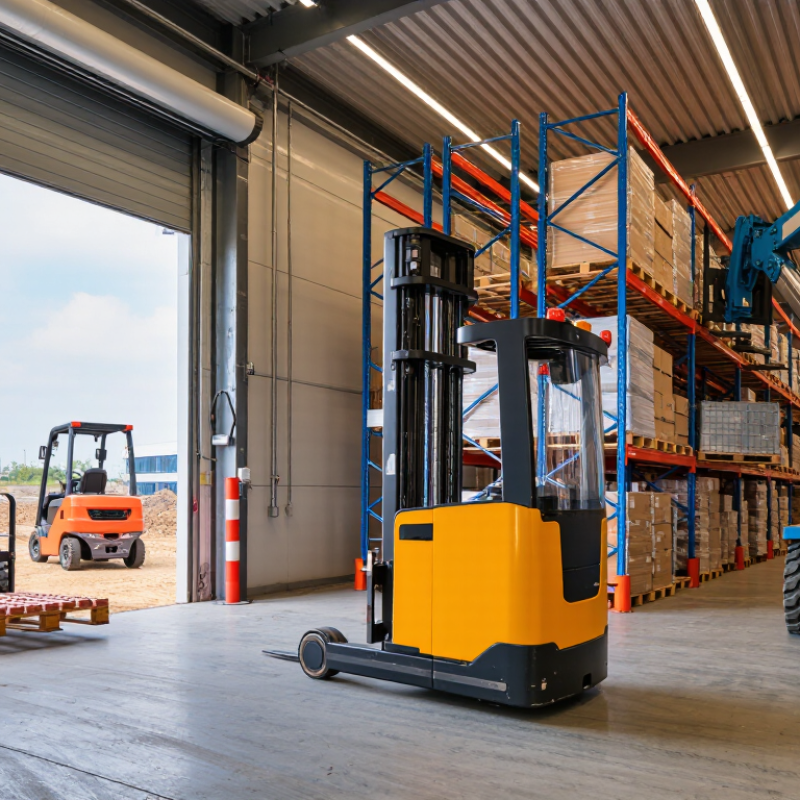
Forklift Crane Basics and Their Role in Modern Material Handling
A forklift crane combines a powered forklift with a lifting boom or hook attachment. It helps operators move suspended loads through storage areas, workshops, and construction supply zones. Unlike a standard fork carriage, the boom changes the load’s center of gravity. That shift affects stability, visibility, and braking distance. A trained operator checks the load chart, attachment condition, and ground surface before lifting. Small details matter.
In modern material handling, forklift cranes support flexible work without requiring a separate mobile crane for every task. They can position pipes, machine parts, containers, and other awkward loads in confined spaces. The forklift provides mobility, while the crane attachment adds reach and controlled placement. However, this combination is not automatically safer or faster. A crowded aisle, uneven floor, or poorly balanced load can create serious handling problems. That judgment matters.
Global buyers should compare rated capacity at different boom angles, attachment compatibility, hook design, and operator visibility. Ask for clear inspection guidance and practical training requirements. The rated capacity often drops as the boom extends, which inexperienced users may overlook. Real sites also expose weaknesses that product sheets cannot show. Field experience often reveals this gap. A clean load path, stable ground, and measured movements reduce unnecessary strain on equipment. Still, even careful planning has limits. Wind, damaged packaging, or an unexpected shift can change the lift. It can fail.



Get in touch with us,
We will contact you shortly!
What is the difference between Unline(Non-Epoxy Coated) or Lining(Epoxy Coated) Metal Drum?

What are Unline(Non-Epoxy Coated) and Lining(Epoxy Coated) drums compatible with?
What is the difference between Grade A and Grade B Metal Drum ?
What content is suitable to fill in a Recon Grade A or Grade B Drum?
What is the difference between Open Top and Close Top Drums and their usage?
What type of content are Metal or Plastic Drums suitable for?
Will there be any contamination in the reconditioned metal, plastic drums or IBC tanks?
What is the drum gauge(thickness) and weight for reconditioned metal drums?
Do you sell New Packaging Products too?
What additional services do you provide apart from selling reconditioned and new containers.?
Do you offer labelling and silkscreen on the containers ?
Are you able to ship overseas ?
Leading the Way
to Carbon Neutrality












