10 Essential Tips for Maintaining Your Waste Tank Efficiency

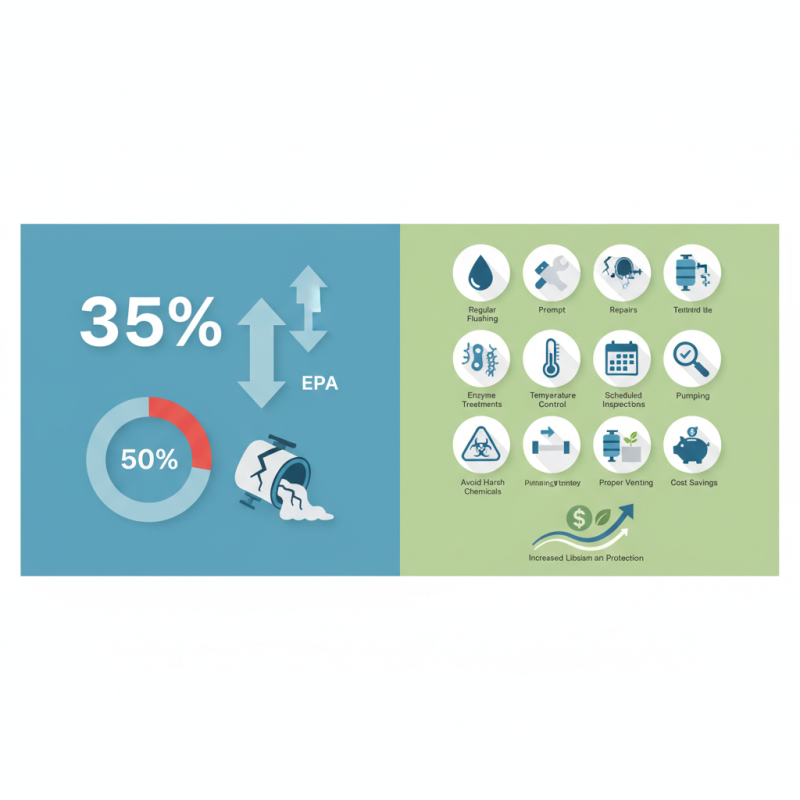
Maintaining the efficiency of your waste tank is crucial for the proper functioning of any waste management system. According to the Environmental Protection Agency (EPA), about 35% of waste systems in the U.S. experience performance issues due to inefficiencies. Regular upkeep can significantly reduce these concerns.

Proper maintenance helps in avoiding costly repairs and environmental violations. A poorly managed waste tank can lead to leaks and overflows, affecting local ecosystems and communities. Studies show that 50% of waste management issues stem from neglecting tank maintenance. Addressing these problems early can save time and reduce operational costs.

Furthermore, maintaining a waste tank is not just about repairs; it's about efficiency. Implementing best practices improves performance and can increase the lifespan of the system. Ignoring basic maintenance leads to inefficiencies and potential regulatory fines. Reflecting on current practices can reveal areas for improvement, ensuring that waste tanks operate smoothly and effectively.
10 Essential Tips for Maintaining Your Waste Tank Efficiency

Understanding the Importance of Waste Tank Efficiency
10 Essential Tips for Maintaining Your Waste Tank Efficiency

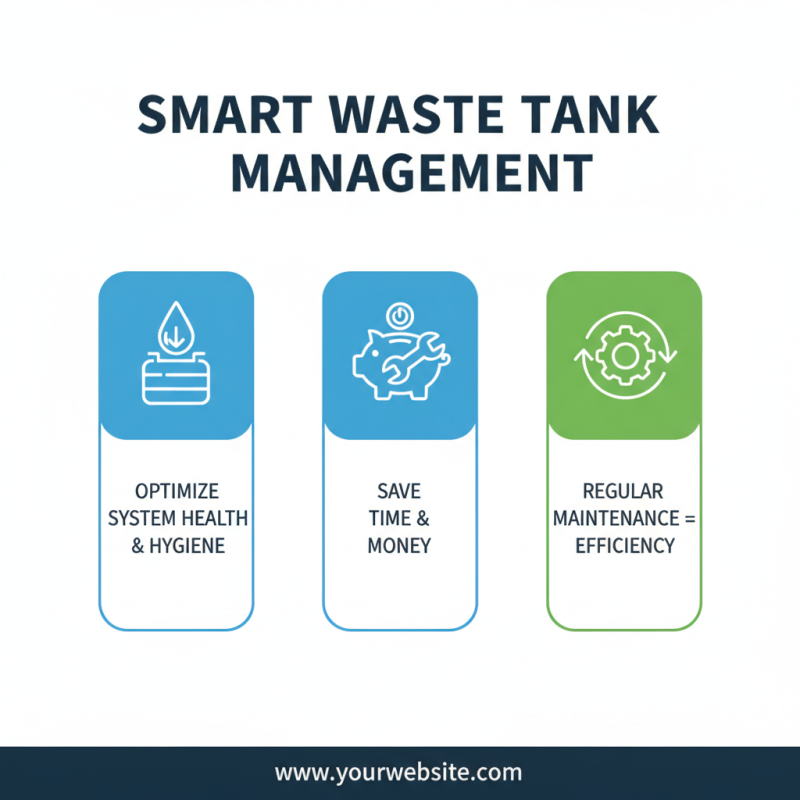
Efficient waste tank management is crucial for maintaining hygiene and ensuring the longevity of your system. Understanding how to optimize this aspect can save you time and money. Regular maintenance practices can significantly improve tank efficiency.

One essential tip is to check the tank levels frequently. This helps in preventing overflows and unexpected clogs. A simple gauge can provide instant feedback on levels. Another tip is to use appropriate additives that can break down waste and prevent buildup. These products can boost efficiency while reducing odors.

It's also vital to inspect seals and connections regularly. Wear and tear can lead to leaks, which can be costly. If you notice any wear, replace parts as needed. Lastly, follow the user manual for your waste tank. Each system has unique requirements that can affect performance. This attention to detail could lead to a more efficient waste disposal process.

Regular Inspection: Key to Optimal Waste Tank Performance

Regular inspection is crucial for maintaining the efficiency of your waste tank. A thorough check-up can prevent minor issues from turning into costly repairs. Start by examining connection points. Look for leaks or corrosion. A small leak can lead to bigger problems. Inspect the tank's drain and vent systems too. Blockages here can cause significant backup.

You might forget to check the levels in your waste tank regularly. This oversight can mess up your entire system. It is best to create a schedule for inspections. Inspecting the tank every few months keeps everything in check. Look for signs of wear and tear. Don’t overlook the impact of weather conditions. Extreme temperatures can affect material integrity.

Cleaning should not be overlooked, either. A grimy tank can lead to clogs and foul smells. Use appropriate cleaning methods to maintain cleanliness. Consider using tools designed for waste tanks to make the job easier. Don’t rush through inspections; they are your best defense against inefficiency. Reflect on your routine. Are you being thorough enough? Over time, these small details can lead to a more efficient waste tank system.

Effective Cleaning Techniques for Waste Tank Maintenance

Effective cleaning techniques are vital for maintaining your waste tank's efficiency. According to a 2022 industry report, regular cleaning not only prevents odors but also extends the tank's life by 30%. Employing a routine cleaning schedule can mitigate the buildup of harmful substances. This can save money in the long run.

Using simple cleaning solutions makes a significant difference. A mixture of vinegar and baking soda is one effective method. This combination helps break down sludge without harmful chemicals. Industry experts suggest cleaning at least every three months. Yet, many users neglect this crucial task. Failing to clean effectively can lead to costly repairs.

Keeping the tank well-maintained also requires attention to the environment. Ensure proper ventilation during the cleaning process. Poor air quality can harm your health. Many overlook this detail, leading to potential respiratory issues. A clean waste tank enhances overall sanitation. Simple practices can yield profound results. Embrace these techniques for better efficiency.

Using Additives to Enhance Waste Tank Functionality

Using additives can significantly improve the efficiency of waste tanks. According to a report by the Environmental Protection Agency (EPA), proper waste treatment enhances tank functionality. Additives such as bacterial cultures can promote the breakdown of solid waste, reducing clogs and backups. In fact, studies show that systems using these additives experience up to 50% fewer maintenance issues.

Selecting the right additives is critical. Not all products offer the same benefits. Some may work effectively in specific environments but fail in others. For example, an overly aggressive additive might disrupt the natural balance of bacteria in the tank, leading to unpleasant odors and inefficient waste management. Therefore, it is essential to understand your tank’s specific needs before applying these solutions.

Regular monitoring of tank performance is necessary after introducing additives. This helps identify any adverse effects on functionality. Data suggests that tanks treated with appropriate additives maintain optimal efficiency, yet some still overlook routine checks. Ignoring these steps can result in costly repairs. Failing to recognize the importance of additives can hinder waste tank performance. It’s crucial to be proactive in maintaining a healthy waste system.

Implementing a Routine Maintenance Schedule for Longevity

A routine maintenance schedule is crucial for maintaining your waste tank efficiency. Regular checks can prevent bigger issues down the line. Set a specific time each month to inspect and clean your tank. This creates a habit and helps you remember.

One important tip is to monitor the tank levels frequently. Overfilling can lead to leaks. Make sure to empty the tank when it’s about two-thirds full. Also, keep an eye on odors. A foul smell is often a warning sign. Act on it quickly to avoid larger problems.

Another vital point is to inspect the tank valves. These parts can wear down over time. Ensure they’re functioning properly. A small issue can become a big issue if not kept in check. To keep your tank in great shape, adopt these tips consistently. Regular maintenance will pay off.

Get in touch with us,
We will contact you shortly!

Get in touch with us by filling up the enquiry form. We will contact you shortly!

    What is the difference between Unline(Non-Epoxy Coated) or Lining(Epoxy Coated) Metal Drum?

    What are Unline(Non-Epoxy Coated) and Lining(Epoxy Coated) drums compatible with?

    What is the difference between Grade A and Grade B Metal Drum ?

    What content is suitable to fill in a Recon Grade A or Grade B Drum?

    What is the difference between Open Top and Close Top Drums and their usage?

    What type of content are Metal or Plastic Drums suitable for?

    Will there be any contamination in the reconditioned metal, plastic drums or IBC tanks?

    What is the drum gauge(thickness) and weight for reconditioned metal drums?

    Do you sell New Packaging Products too?

    What additional services do you provide apart from selling reconditioned and new containers.?

    Do you offer labelling and silkscreen on the containers ?

    Are you able to ship overseas ?

    Leading the Way
    to Carbon Neutrality

    Drumming sustainability into every aspect of our operations, we strive to create a greener and more conscious future for generations to come.
    Contact Us
    WhatsApp
    Email
    Join Our Newsletter

    Sign up for our newsletter for exclusive discounts and latest news of new launches!

      Logo Logo Logo Logo Logo
      Scroll to Top