10 Essential Tips for Choosing the Right Metal Barrel for Your Needs
Choosing the right metal barrel is crucial for various applications, whether for storage, transportation, or industrial use. With a myriad of options available, understanding the key factors that influence your decision is essential to ensure that the metal barrel you select meets your specific needs. The construction, material quality, and design features of metal barrels play a significant role in their functionality and durability, making it imperative to evaluate these aspects carefully.
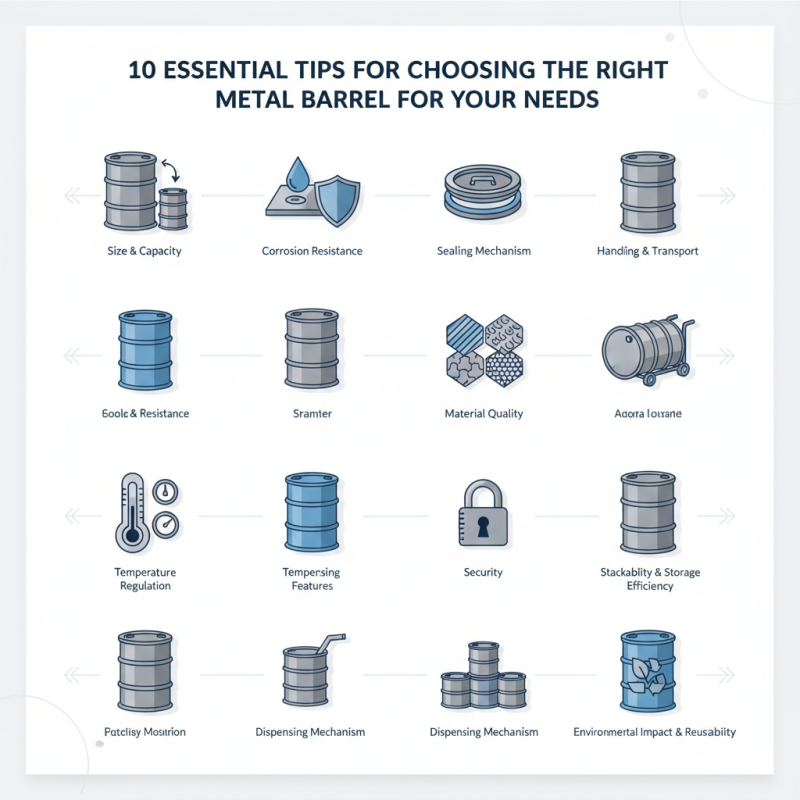
In this guide, we will walk you through ten essential tips that will aid you in selecting the perfect metal barrel for your requirements. From considering the size and capacity to understanding the importance of corrosion resistance and securing the right sealing mechanism, we’ll cover all the important elements that can impact your choice. By following these guidelines, you can make an informed decision that ensures your metal barrel serves its intended purpose effectively and efficiently. Let's explore these tips to help you navigate the complexities of choosing the ideal metal barrel for your unique situation.
Understanding the Different Types of Metal Barrels Available
When selecting the right metal barrel for your needs, it’s vital to understand the different types available in the market. The primary types typically include steel barrels and aluminum barrels, each offering unique advantages based on their composition. Steel barrels are known for their durability and strength, making them ideal for heavy-duty applications. Conversely, aluminum barrels are lighter and corrosion-resistant, suitable for transporting liquids and ensuring ease of handling.
Tip 1: Consider the material of the barrel carefully. If you require a robust solution for storage, steel might be your best option. However, if weight and resistance to rust are priorities, aluminum could be the way forward.
Different barrels also come with varying features such as size, closure types, and liner options. For instance, some barrels have a removable top, while others might be closed with a bung. The choice largely depends on what you plan to store and how often you need to access the contents.
Tip 2: Think about compatibility with the stored material and ease of access. If your application requires frequent access, choose a barrel type that allows for easy opening and closing without compromising the integrity of the contents. Remember that the right barrel not only ensures safety but can also enhance efficiency in your processes.
Assessing Size and Capacity Requirements for Your Applications
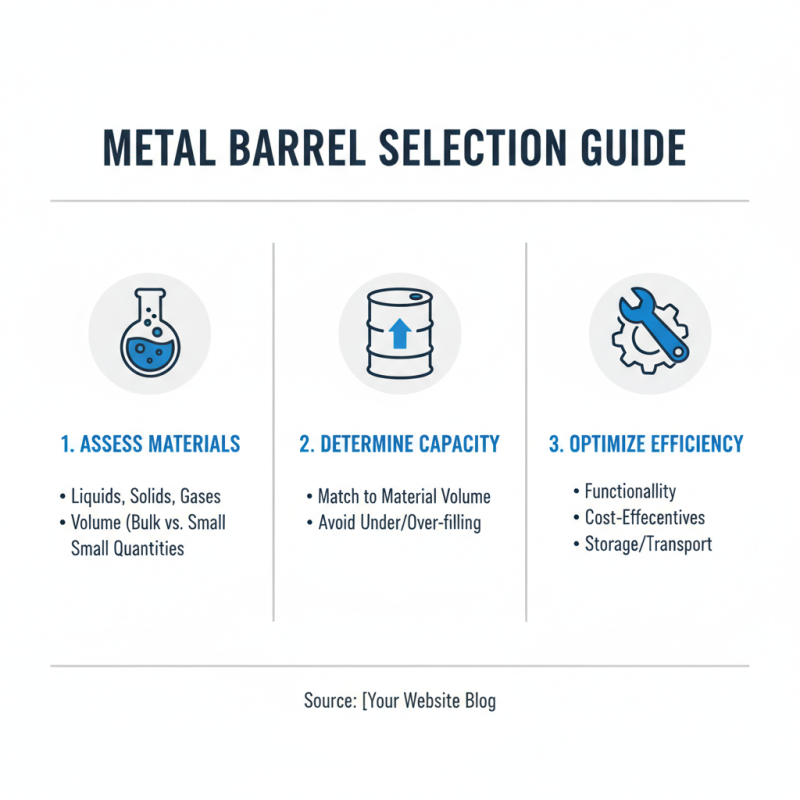
When selecting a metal barrel for your applications, understanding size and capacity requirements is crucial to ensure functionality and efficiency. Start by assessing the type of materials you intend to store or transport. Different applications may require varying capacities, so determine the volume of liquids, solids, or gases involved. For instance, if you're dealing with bulk materials, a larger capacity barrel might be necessary, whereas smaller quantities may be adequately managed with a more compact option.
Additionally, consider the dimensions of the space where the barrel will be used or stored. It’s essential to ensure the metal barrel fits within your operational area without hindering maneuverability or accessibility. Take into account the possible stacking capabilities if space efficiency is a priority. Remember, a barrel that is too large can lead to inefficient handling and increased costs, while one that is undersized may not meet your needs, causing workflow disruptions. Balancing these factors will help you choose a metal barrel that aligns perfectly with your specific application requirements.
Evaluating the Material Quality and Durability of Metal Barrels
When selecting a metal barrel, understanding the material quality and durability is crucial. Metal barrels are primarily made from various types of steel or aluminum, each providing different advantages.
For example, carbon steel barrels are known for their strength and resistance to deformation, making them ideal for heavy-duty applications. In contrast, stainless steel barrels offer excellent corrosion resistance, which is essential for storing sensitive materials. Evaluating the type of metal used can greatly impact the barrel’s lifespan and suitability for your specific needs.
Beyond the material type, it's essential to consider the thickness and treatment of the metal. Thicker walls generally indicate a more robust barrel capable of withstanding physical stress and external environmental factors. Additionally, look for barrels that have undergone proper surface treatments, such as galvanization or powder coating, which can enhance durability and protect against rust and corrosion. Investigating these factors will ensure that you choose a metal barrel that not only meets your storage requirements but also lasts through years of usage without premature degradation.
Considering the Intended Use and Storage Conditions for Metal Barrels
When selecting the right metal barrel for your storage needs, understanding the intended use and storage conditions is critical. Metal barrels are widely used in various industries, including pharmaceuticals, chemicals, food and beverage, and logistics. According to a report by MarketsandMarkets, the global market for metal drums is projected to grow at a CAGR of 6.2% from 2021 to 2026. This growth highlights the importance of choosing the appropriate barrel to ensure safety and compliance with specific industry standards.
The storage conditions will directly impact the longevity and effectiveness of the metal barrel. Citing the National Association of Chemical Distributors (NACD), it’s essential to consider factors such as temperature, humidity, and exposure to corrosive substances, as these can compromise the integrity of the barrel over time. For instance, barrels stored in high-humidity environments may require specialized coatings to prevent rust and degradation. Moreover, understanding the chemical properties of the materials being stored is essential. The American Society for Testing and Materials (ASTM) provides guidelines on the compatibility of various metals with specific chemicals, ensuring that the chosen barrel does not lead to hazardous reactions or contamination of contents.
Additionally, the purpose of the metal barrel, whether for bulk storage or transportation, will dictate its dimensions and weight capacity. A study by the International Container Bureau emphasizes that choosing the right size and design can optimize storage space and improve handling efficiency. By assessing the intended use and the environmental conditions, you can make informed choices that enhance safety and operational effectiveness in your storage processes.
Examining Cost-Effectiveness and Supplier Reputation in Your Choice
When selecting a metal barrel, it's crucial to prioritize both cost-effectiveness and the reputation of the supplier. A supplier with a strong reputation often signifies high-quality products and reliable customer service. Researching customer reviews and testimonials can provide insights into a supplier's credibility. Aim to choose manufacturers or suppliers with extensive experience in the industry, as their established history often correlates with quality and trustworthiness. Don't hesitate to ask for references or case studies that showcase their success with previous clients.
In terms of cost-effectiveness, consider the total lifecycle cost of the barrel rather than just the upfront price. Look for barrels that offer durability and can withstand various conditions, thereby reducing the need for frequent replacements. Assess the expected lifespan and maintenance requirements to understand the long-term financial implications. Additionally, comparison shopping among different suppliers can reveal variations in pricing and quality, allowing you to make a well-informed decision.
When evaluating your options, remember to consider important features that suit your specific needs, such as barrel capacity, intended use, and any necessary certifications. Always verify that the supplier adheres to relevant industry standards, as compliance can be a crucial factor in ensuring performance and safety. Ultimately, a balance between a reputable supplier and cost-effective choices will lead to a satisfactory purchase that meets your operational needs.