
How to Choose the Best Steel Drums for Your Storage and Shipping Needs
When it comes to storage and shipping needs, choosing the appropriate containers is crucial for maintaining product integrity and safety. Steel drums, renowned for their durability and reliability, have become a staple in various industries, from pharmaceuticals to chemicals. According to industry expert John Smith, "Selecting the right steel drums is essential not only for compliance but also for protecting your valuable goods during transit."
In light of their versatile applications, understanding the key factors that differentiate one steel drum from another can greatly impact your decision-making process. Whether you are looking for a drum to store hazardous materials or require a robust container for bulk shipping, it's important to evaluate specifications such as size, thickness, and lining options. The right choice can ensure that your products remain secure, compliant, and ready for delivery.
As we delve deeper into the criteria for selecting the best steel drums, it is important to consider not only the material properties but also the expected handling and transportation conditions. By making an informed decision, businesses can optimize their logistics and mitigate the risks associated with inadequate storage solutions.

Understanding Different Types of Steel Drums for Storage and Shipping
When choosing the best steel drums for your storage and shipping needs, understanding the various types available is essential. Steel drums come in different specifications, including capacity, thickness, and liner types, each designed for specific materials. The most common sizes are 55-gallon and 30-gallon drums, but manufacturers may offer custom sizes to accommodate unique storage needs. Consider the material of the drum as well—carbon steel offers durability for heavy substances, while stainless steel is ideal for corrosive materials.
Tips for selecting the right type of steel drum include assessing the contents you plan to store or ship. For non-hazardous liquids, an open-head drum might suffice, allowing for easy filling and emptying. Conversely, for hazardous materials, a closed-head drum with a secure lid is crucial to prevent leaks and contamination. Additionally, check for a drum’s UN rating, which indicates its suitability for transporting hazardous goods; this rating ensures compliance with safety standards.
Another important tip is to consider the environmental conditions the drums will face during storage or transport. If exposure to moisture, extreme temperatures, or sunlight is likely, choose drums with protective coatings or those specifically designed for harsh conditions. This will extend the lifespan of the drums and maintain the integrity of their contents.
How to Choose the Best Steel Drums for Your Storage and Shipping Needs
| Drum Type | Capacity (Gallons) | Material Thickness (Gauge) | Sealing Type | Typical Uses |
|---|---|---|---|---|
| Standard Steel Drum | 55 | 18 | Bolt Ring | Chemical storage |
| Open Head Steel Drum | 30 | 20 | Removable Lid | Bulk material handling |
| Tight Head Steel Drum | 55 | 19 | Welded | Hazardous material transportation |
| UN Rated Steel Drum | 55 | 16 | Bolt Ring | Transport of dangerous goods |
| Drum with Liner | 55 | 18 | Removable Liner | Food and beverage storage |
Related Posts
-
Unveiling the Secrets of Drum Barrels: Essential Guide for Eco-Friendly Storage Solutions
-
2025 Guide: How to Choose the Best Open Top Steel Drums for Your Needs
-
Top Benefits of Using IBC Containers for Your Storage and Transportation Needs
-

How to Choose the Best Reconditioned Drums for Your Music Needs
-

Top Uses and Benefits of Poly Drums in Industrial and Commercial Applications
-
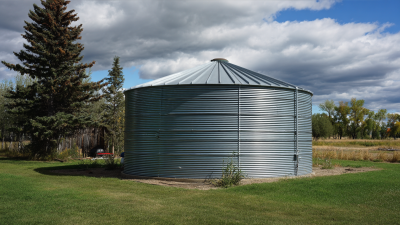
Top 5 Best Steel Tanks for Water Storage with 20 Percent More Durability and 30 Percent Improved Corrosion Resistance



Get in touch with us,
We will contact you shortly!
What is the difference between Unline(Non-Epoxy Coated) or Lining(Epoxy Coated) Metal Drum?

What are Unline(Non-Epoxy Coated) and Lining(Epoxy Coated) drums compatible with?
What is the difference between Grade A and Grade B Metal Drum ?
What content is suitable to fill in a Recon Grade A or Grade B Drum?
What is the difference between Open Top and Close Top Drums and their usage?
What type of content are Metal or Plastic Drums suitable for?
Will there be any contamination in the reconditioned metal, plastic drums or IBC tanks?
What is the drum gauge(thickness) and weight for reconditioned metal drums?
Do you sell New Packaging Products too?
What additional services do you provide apart from selling reconditioned and new containers.?
Do you offer labelling and silkscreen on the containers ?
Are you able to ship overseas ?
Leading the Way
to Carbon Neutrality