How to Choose the Right Stainless IBC Tote for Your Storage Needs

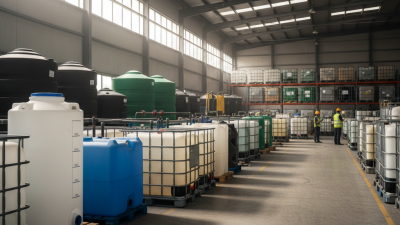
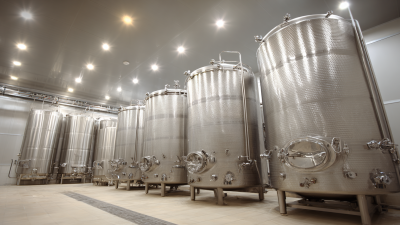
When it comes to effectively storing bulk liquids and materials, choosing the right storage solution is crucial for both functionality and safety. Among the various options available, a stainless IBC tote stands out as a popular choice due to its durability, resistance to corrosion, and ease of handling. These intermediate bulk containers are designed to provide optimal storage conditions for a range of substances, making them versatile for numerous applications, from agriculture to industrial use.

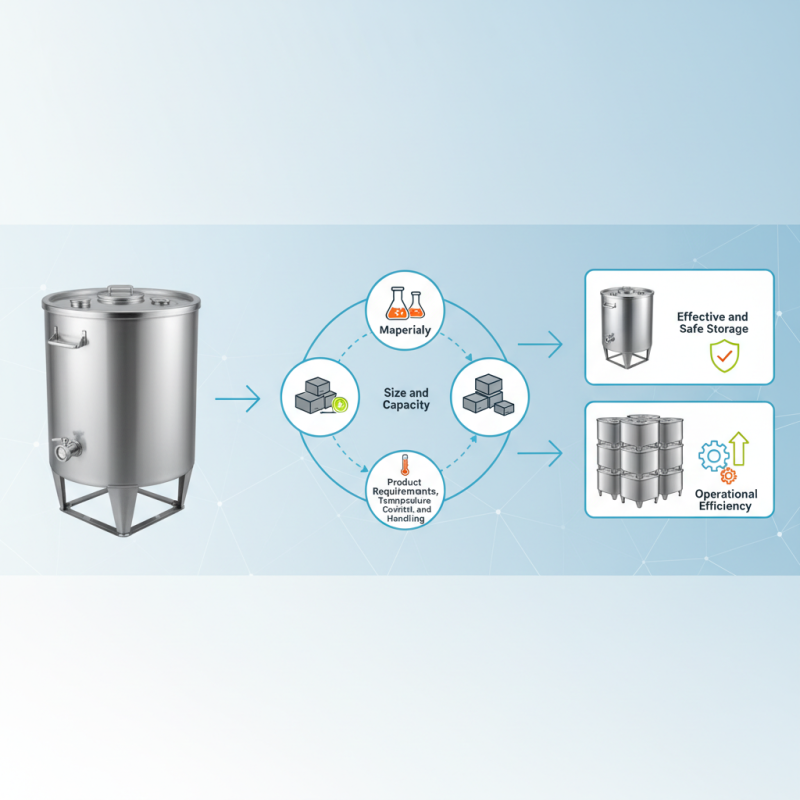
Selecting the right stainless IBC tote involves evaluating various factors, including the material compatibility, the tote's size and capacity, and the specific requirements of the stored product. Potential users should consider the nature of the contents, whether they require temperature control, and how often the totes will need to be moved or stacked. By understanding these considerations, you can ensure that your stainless IBC tote meets your storage needs effectively and safely. This guide will help you navigate the selection process, enabling you to make informed decisions that enhance your operational efficiency.
How to Choose the Right Stainless IBC Tote for Your Storage Needs

Understanding Stainless Steel IBC Totes and Their Uses
How to Choose the Right Stainless IBC Tote for Your Storage Needs

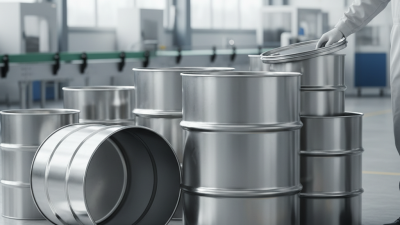
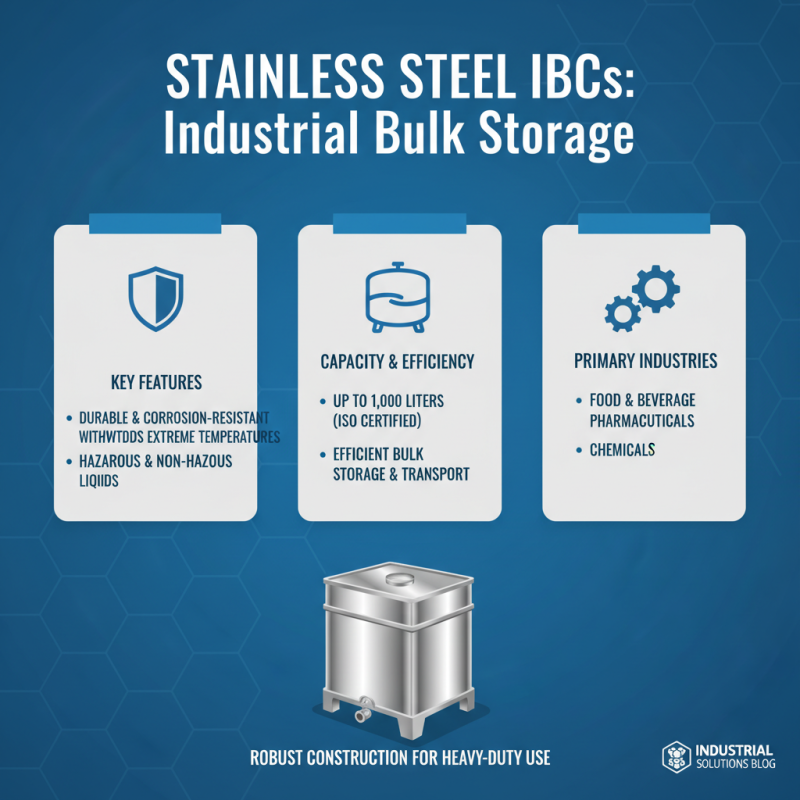
Stainless steel Intermediate Bulk Containers (IBCs) are essential for various industries due to their durability, corrosion resistance, and ability to store a wide range of materials. Unlike their plastic counterparts, stainless steel IBC totes can withstand extreme temperatures and are ideal for both hazardous and non-hazardous liquids. According to the International Organization for Standardization (ISO), stainless steel IBCs can safely store up to 1,000 liters of fluids, making them highly efficient for bulk storage needs and transportation. Their robust construction ensures that they can handle heavy-duty use in sectors such as food and beverage, pharmaceuticals, and chemicals.

Utilizing stainless steel IBC totes not only enhances safety but also provides significant economic advantages. A report by Research and Markets highlights that the stainless steel IBC market is projected to grow at a compound annual growth rate (CAGR) of 5.8% from 2021 to 2026, driven primarily by the need for reliable and reusable storage solutions. The hygiene standards in industries such as food and pharmaceuticals necessitate the use of materials that can be easily sanitized, further supporting the case for stainless steel containers. With the rising global emphasis on sustainability, investing in long-lasting, recyclable IBCs aligns with corporate responsibility objectives, positioning businesses favorably within their respective markets.

Evaluating Your Storage Requirements for IBC Totes

When evaluating your storage requirements for Intermediate Bulk Containers (IBCs), it’s essential to consider the nature of the materials you will be storing. Different applications may require specific features, such as temperature control, chemical compatibility, and volume capacity. According to the Plastics Industry Association, the demand for stainless steel IBC totes has been steadily increasing, with a projected growth of 5% annually over the next five years. This growth highlights the importance of selecting the right container that meets not only your immediate needs but also future storage requirements.

Before investing in stainless steel IBC totes, assess the chemical properties of the materials you intend to store. Stainless steel offers excellent resistance to corrosion, making it ideal for storing aggressive liquids and substances. If your storage needs involve hazardous materials, leaning towards totes with reinforced features can provide additional safety measures. Moreover, the National Association of Chemical Distributors reports that improper storage can lead to costly leaks or spills, underscoring the necessity of specialized containers.

Tips: Always ensure that the selected IBC tote is compliant with local regulations and safety standards. Additionally, consider the volume of materials you plan to store—opt for larger totes if frequent refills are not feasible, thus maximizing efficiency. Finally, evaluate the stacking capabilities of your IBC totes to optimize your storage space and enhance accessibility.

IBC Tote Storage Capacity Analysis

Key Features to Consider When Selecting a Stainless IBC Tote

When selecting a stainless IBC tote for your storage needs, there are several key features to consider that will ensure it meets your requirements. Firstly, the size and capacity of the tote are paramount. IBC totes come in various sizes, typically ranging from 275 to 330 gallons. Assessing your storage volume needs will help you choose a size that maximizes efficiency without taking up unnecessary space.

Stainless IBC Tote Additionally, the construction and quality of the stainless steel used in the tote are crucial. Look for totes made from high-grade stainless steel, as this ensures durability and resistance to corrosion, chemical reactions, and extreme temperatures. Furthermore, consider the design features such as drain valves and inlet/outlet fittings, as these will affect the ease of use and versatility when transferring liquids. Ensuring that the tote complies with relevant industry standards can also provide assurance regarding its safety and reliability for your specific applications.
Comparing Different Sizes and Capacities of IBC Totes

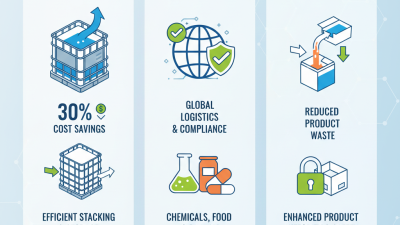
When comparing different sizes and capacities of stainless IBC (Intermediate Bulk Container) totes, it is essential to consider your specific storage needs and operational workflows. IBC totes typically range from 275 gallons (1041 liters) to 330 gallons (1250 liters) of capacity. The decision on which size to choose affects not only storage efficiency but also the logistics of handling, transportation, and loading processes. According to industry reports, utilizing appropriately sized IBC totes can optimize warehouse space utilization by up to 30%, which translates into considerable cost savings.

In addition to volume, consider the dimensions and weight of the tote when full. Standard IBC totes measure approximately 48 inches by 40 inches at the base, making them stackable and compatible with most pallet racking systems. However, the actual usable space might be constrained by the surrounding environment or equipment. As such, understanding the layout of your facility and planning the space effectively is crucial for maximizing operational efficiency.

**Tips:** When selecting the right size, ensure to calculate your average usage rate. This will help you determine if a larger tote can serve multiple processes simultaneously, reducing the need for multiple smaller containers. Furthermore, consider the weight limit of your handling equipment; overloaded totes can lead to operational hazards. Regular assessments of your inventory and storage capacity can lead to more informed decisions about the size and number of totes required.

Maintenance and Care Tips for Your Stainless IBC Tote

How to Choose the Right Stainless IBC Tote for Your Storage Needs

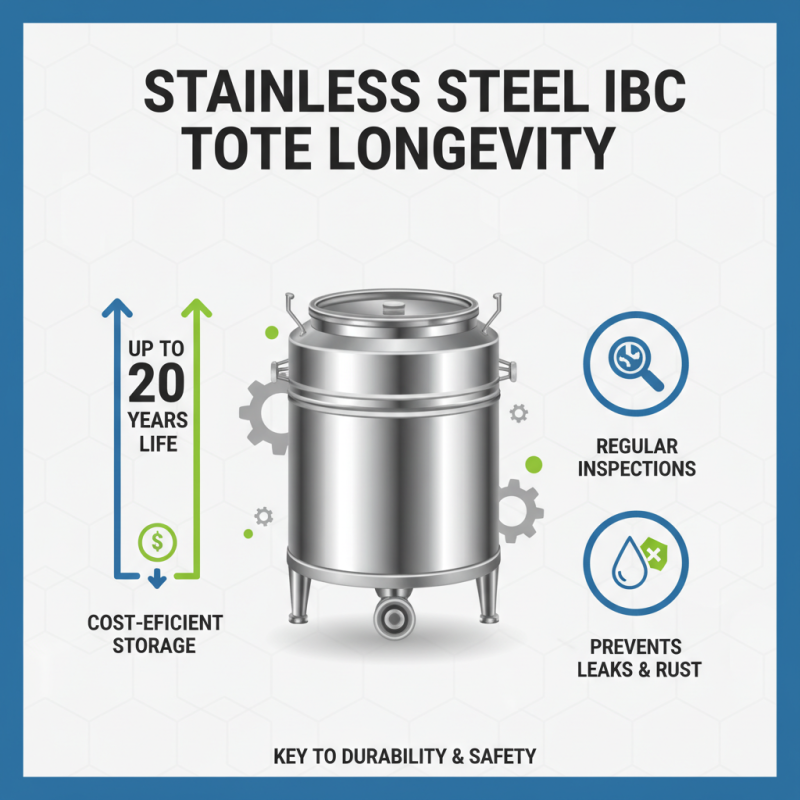
When you invest in a stainless IBC tote, proper maintenance and care are vital to ensure its longevity and effectiveness in storage. According to industry reports, a well-maintained IBC tote can last up to 20 years, significantly reducing the need for replacements and contributing to cost-efficiency in storage solutions. Regular inspections for signs of damage, such as rust or leaks, can prevent larger issues down the line, ensuring that your tote remains safe and functional.

Tips for maintaining your stainless IBC tote include:

- **Cleaning:** Regularly clean the tote using appropriate detergents that won't react with the materials stored. This prevents contamination and extends the life of the tote.
- **Storage Conditions:** Store the IBC tote in a dry, cool area away from direct sunlight. Extreme temperatures can cause material degradation, affecting both integrity and lifespan.
- **Inspections:** Conduct routine visual inspections for dents, cracks, or corrosion. Addressing minor issues early can thwart costly repairs or replacements later on.

By implementing these maintenance tips, you can optimize the performance of your stainless IBC tote, ensuring it meets your storage needs effectively for years to come.

Get in touch with us,
We will contact you shortly!

Get in touch with us by filling up the enquiry form. We will contact you shortly!

    What is the difference between Unline(Non-Epoxy Coated) or Lining(Epoxy Coated) Metal Drum?

    What are Unline(Non-Epoxy Coated) and Lining(Epoxy Coated) drums compatible with?

    What is the difference between Grade A and Grade B Metal Drum ?

    What content is suitable to fill in a Recon Grade A or Grade B Drum?

    What is the difference between Open Top and Close Top Drums and their usage?

    What type of content are Metal or Plastic Drums suitable for?

    Will there be any contamination in the reconditioned metal, plastic drums or IBC tanks?

    What is the drum gauge(thickness) and weight for reconditioned metal drums?

    Do you sell New Packaging Products too?

    What additional services do you provide apart from selling reconditioned and new containers.?

    Do you offer labelling and silkscreen on the containers ?

    Are you able to ship overseas ?

    Leading the Way
    to Carbon Neutrality

    Drumming sustainability into every aspect of our operations, we strive to create a greener and more conscious future for generations to come.
    Contact Us
    WhatsApp
    Email
    Join Our Newsletter

    Sign up for our newsletter for exclusive discounts and latest news of new launches!

      Logo Logo Logo Logo Logo
      Scroll to Top