10 Best Plastic Tanks for Efficient Storage in 2023: A Complete Guide

In today's world, efficient storage solutions are essential for both residential and commercial settings, leading to a growing interest in plastic tanks. These versatile containers are designed to offer durability, flexibility, and ease of use, making them an optimal choice for various applications such as water storage, chemical containment, and agricultural usage. As more people recognize the advantages of plastic tanks, it becomes increasingly important to choose the right one that meets specific needs while ensuring safety and compliance with regulations.

This comprehensive guide will explore the ten best plastic tanks available in 2023, focusing on their features, benefits, and suitability for different storage requirements. Whether you are a homeowner looking to rainwater harvesting or a business seeking reliable storage solutions, understanding the diverse options available can help you make an informed decision. From size and capacity to material quality and design, we will cover critical aspects that determine the efficiency and functionality of plastic tanks, guiding you toward the best choice for your storage needs.
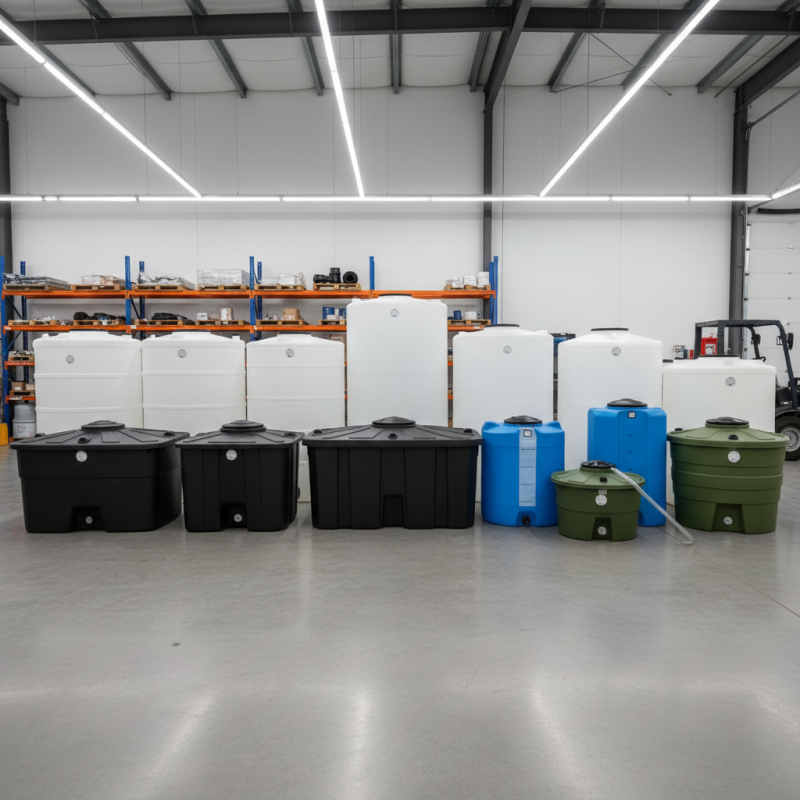
10 Best Plastic Tanks for Efficient Storage in 2023: A Complete Guide

Top Factors to Consider When Choosing Plastic Tanks for Storage

When choosing plastic tanks for storage, there are several key factors to consider to ensure you make the best choice for your needs. First, evaluate the tank's material quality. High-density polyethylene (HDPE) is a popular option due to its durability and resistance to UV rays, corrosion, and impact. Opting for tanks made from high-quality materials can significantly extend the lifespan of your storage solution.

Another important aspect is the tank's capacity and dimensions. Select a tank that fits your available space and meets your storage requirements. Measure the area where you plan to install the tank, ensuring there's ample room for maintenance and access. Additionally, consider whether you need a vertical or horizontal tank based on the space configuration.

**Tips:** When installing your plastic tank, ensure it is placed on a stable, level surface to prevent tilting or damage. Regularly inspect the tank for any signs of wear or leaks. Lastly, think about compatibility with the liquids you intend to store, as certain materials might react adversely with specific substances. By keeping these factors in mind, you can optimize your storage efficiency and ensure reliable performance.

10 Best Plastic Tanks for Efficient Storage in 2023: A Complete Guide

Tank Type Capacity (Gallons) Dimensions (inches) Weight (lbs) Color Options Price ($)
Vertical Storage Tank 100 30 x 30 x 48 50 Black, Blue 200
Horizontal Tank 250 60 x 30 x 30 75 Green, Natural 450
Irrigation Tank 500 72 x 48 x 40 100 Black, Clear 600
Rainwater Collection Tank 300 48 x 48 x 36 80 Blue, Black 350
Chemical Storage Tank 150 36 x 36 x 60 60 Natural, Yellow 250
Polyethylene Tank 200 48 x 48 x 36 70 White, Black 300
Transport Tank 1000 72 x 48 x 72 200 Black, Yellow 800
Stackable Tank 150 24 x 24 x 36 35 Green, Blue 120
Flat Tank 500 60 x 48 x 18 90 Natural, Black 400
Biodiesel Tank 300 42 x 42 x 50 88 Brown, Black 320

Different Types of Plastic Tanks Available on the Market

10 Best Plastic Tanks for Efficient Storage in 2023: A Complete Guide

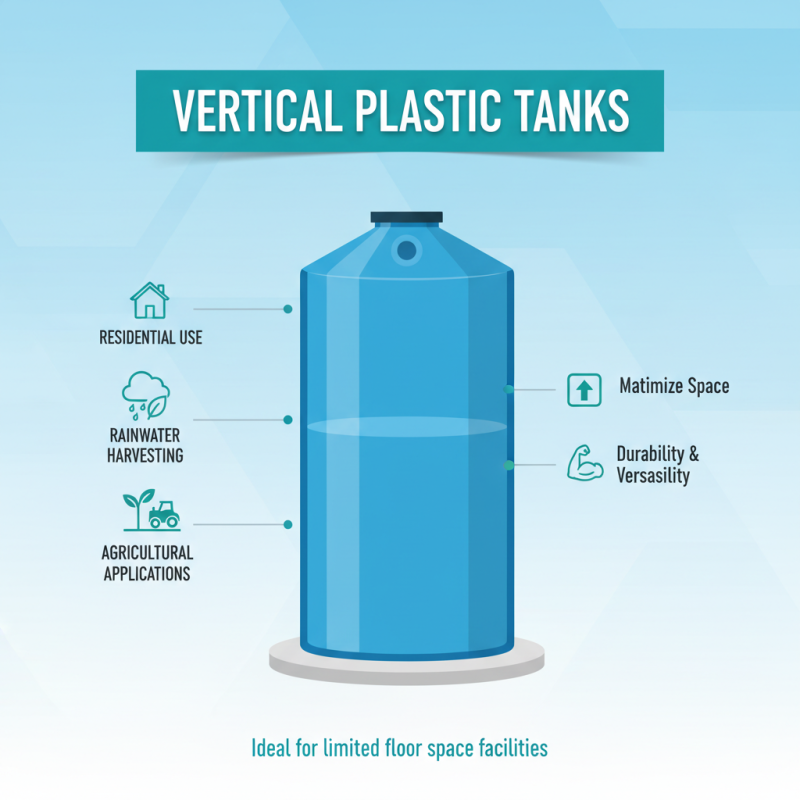
When it comes to efficient storage solutions, plastic tanks have become increasingly popular due to their versatility and durability. There are several types of plastic tanks available on the market, each designed to meet specific storage needs. For instance, vertical plastic tanks are ideal for maximizing space in smaller areas, making them perfect for residential use or facilities with limited floor space. These tanks are often used for water storage, rainwater harvesting, and agricultural applications.

On the other hand, horizontal plastic tanks are well-suited for larger volume storage, particularly for bulk materials or liquids. These tanks typically boast a lower profile, making them easier to install and maintain. Additionally, collapsible tanks are gaining traction for their portability, making them perfect for temporary storage solutions in various situations, from agricultural irrigation to emergency response. With a variety of options available, choosing the right type of plastic tank can significantly enhance your storage efficiency in 2023.

Features and Benefits of the Best Plastic Tanks in 2023

When selecting the best plastic tanks for efficient storage in 2023, understanding their features and benefits is crucial. Modern plastic tanks are designed to be durable, lightweight, and resistant to corrosion, making them suitable for various applications. Many models come equipped with UV protection, ensuring that the tanks can withstand prolonged exposure to sunlight without degrading. Additionally, their non-toxic materials make them ideal for storing food or water, catering to both residential and commercial needs.

Another important aspect of these plastic tanks is their versatility. They are available in various shapes and sizes, accommodating different storage requirements. Some tanks feature stackable designs, maximizing space utilization, while others have built-in handles or spouts for easy handling and dispensing. Moreover, their ease of maintenance means that users can simply wipe them clean with minimal effort. This blend of practicality and efficiency allows consumers to find the perfect tank that suits their specific needs, whether for gardening, wastewater management, or industrial use.

Storage Capacity Comparison of the 10 Best Plastic Tanks in 2023

Comparative Analysis of Plastic Tanks: Size, Durability, and Cost

When evaluating the best plastic tanks for efficient storage in 2023, three critical factors come into play: size, durability, and cost. According to a recent report by the American Plastics Council, the demand for plastic storage solutions has surged by 25% in the past five years, primarily due to their versatility and lightweight nature. Smaller tanks, typically holding between 10 to 50 gallons, are ideal for home use, particularly in gardens and small farms, while larger tanks can accommodate capacities exceeding 500 gallons, catering to industrial storage needs. Analyzing size options, one can find that the most popular tank size among consumers is the 100-gallon model, striking a balance between portability and capacity.

Durability is another critical consideration, especially for tanks exposed to harsh environmental conditions. A study published in the Journal of Polymer Science indicated that high-density polyethylene (HDPE) tanks exhibit a lifespan of over 20 years with proper maintenance, making them a wise investment. Furthermore, when it comes to cost, pricing varies widely depending on material and size—plastic tanks can range from $100 for smaller models to over $1,000 for larger, heavy-duty versions. In the context of this analysis, it is crucial to assess not just the initial purchase price but also the long-term value and lifespan of the tank to ensure economical and efficient storage solutions.

Maintenance Tips for Extending the Life of Plastic Storage Tanks

When it comes to extending the life of plastic storage tanks, proper maintenance is crucial. Regular inspections should be conducted to check for any signs of wear, such as cracks, leaks, or discoloration. Ensuring that the tanks are kept clean is equally important; residues or contaminants can lead to degradation over time. Utilizing a mild detergent and water for cleaning, along with appropriate brushes, can help prevent the buildup of unwanted materials.

Another vital maintenance tip is to ensure that plastic tanks are stored in optimal conditions. Exposure to extreme temperatures, direct sunlight, or harsh chemicals can significantly shorten their lifespan. It’s best to keep them in shaded, temperature-controlled environments whenever possible.

Additionally, using UV inhibitors or protective covers can help shield tanks from damaging UV rays, further prolonging their usability. Regular monitoring, alongside these protective measures, will ensure that plastic storage tanks remain efficient and reliable for years to come.

Get in touch with us,
We will contact you shortly!

Get in touch with us by filling up the enquiry form. We will contact you shortly!

    What is the difference between Unline(Non-Epoxy Coated) or Lining(Epoxy Coated) Metal Drum?

    What are Unline(Non-Epoxy Coated) and Lining(Epoxy Coated) drums compatible with?

    What is the difference between Grade A and Grade B Metal Drum ?

    What content is suitable to fill in a Recon Grade A or Grade B Drum?

    What is the difference between Open Top and Close Top Drums and their usage?

    What type of content are Metal or Plastic Drums suitable for?

    Will there be any contamination in the reconditioned metal, plastic drums or IBC tanks?

    What is the drum gauge(thickness) and weight for reconditioned metal drums?

    Do you sell New Packaging Products too?

    What additional services do you provide apart from selling reconditioned and new containers.?

    Do you offer labelling and silkscreen on the containers ?

    Are you able to ship overseas ?

    Leading the Way
    to Carbon Neutrality

    Drumming sustainability into every aspect of our operations, we strive to create a greener and more conscious future for generations to come.
    Contact Us
    WhatsApp
    Email
    Join Our Newsletter

    Sign up for our newsletter for exclusive discounts and latest news of new launches!

      Logo Logo Logo Logo Logo
      Scroll to Top