Why Choose a Stainless Steel Drum for Your Next Project Benefits Explained

When embarking on a new project, selecting the right materials can significantly impact the outcome. Among the various options available, the stainless steel drum stands out as a prime choice for many applications. Its inherent qualities, such as durability, resistance to corrosion, and ease of sanitation, make it an ideal candidate for diverse industries ranging from food processing to chemical manufacturing. In this exploration of the benefits of stainless steel drums, we aim to unravel the reasons behind their growing popularity and suitability for your next endeavor.

One of the key advantages of utilizing a stainless steel drum is its longevity. Unlike other materials that may degrade over time, stainless steel is designed to withstand harsh environments while maintaining structural integrity. Furthermore, its non-reactive nature ensures that it will not contaminate the contents stored within, making it particularly advantageous for industries requiring stringent hygiene standards. Whether you are looking to store liquids, solids, or even sensitive chemicals, a stainless steel drum provides a reliable solution that guarantees both safety and efficiency.

As we delve deeper into the numerous benefits associated with stainless steel drums, you'll uncover why they are not just a practical choice but also a smart investment for your projects. From their versatile applications to their positive impact on operational costs, understanding the full scope of benefits will empower you to make an informed decision in your next undertaking.
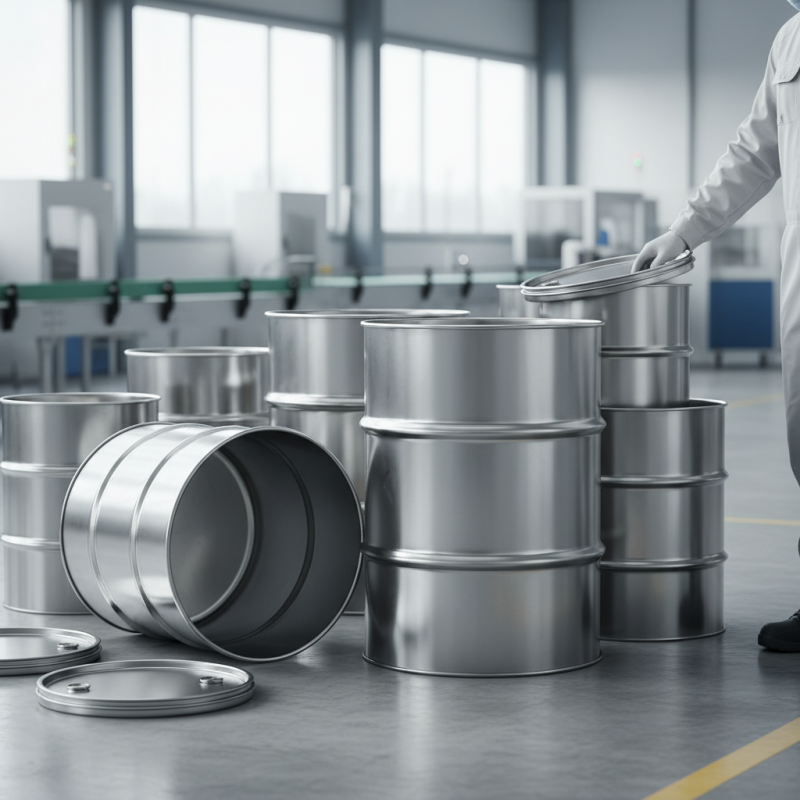
Why Choose a Stainless Steel Drum for Your Next Project Benefits Explained

Benefits of Using Stainless Steel Drums in Various Applications
Why Choose a Stainless Steel Drum for Your Next Project Benefits Explained

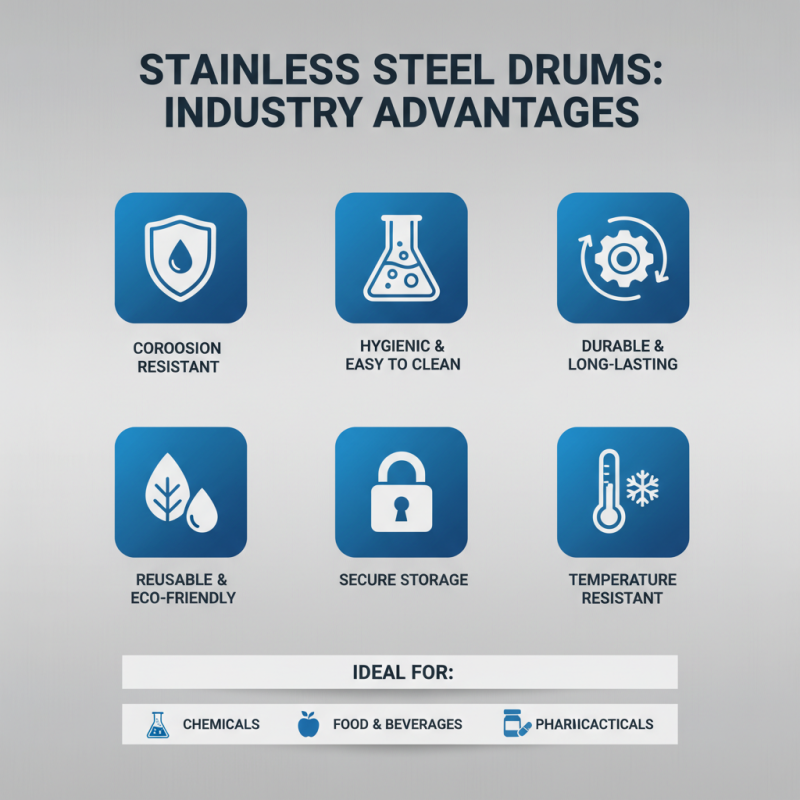
Stainless steel drums are becoming increasingly popular across various industries due to their multitude of benefits. One of the primary advantages is their exceptional resistance to corrosion and rust, making them ideal for storing chemicals, liquids, and other materials that would otherwise degrade traditional drum materials. In environments where hygiene is paramount, such as food processing or pharmaceuticals, stainless steel drums are easily cleaned and sanitized, ensuring compliance with health regulations.

In addition to their durability, stainless steel drums offer superior strength and longevity. Unlike plastic or other metal drums, stainless steel can withstand extreme temperatures and heavy impacts, making them suitable for both indoor and outdoor use. The security of the contents is also enhanced, as stainless steel is less prone to punctures or leaks. Moreover, their aesthetic appeal and professional appearance make them favorable for industries where image is important, further extending their usability in various applications beyond simple storage.

Durability and Strength: Why Stainless Steel Drums Outperform Other Materials

Stainless steel drums are increasingly becoming the material of choice for a wide range of projects, thanks to their exceptional durability and strength. According to a report by the National Association of Manufacturers, stainless steel's unique properties make it resistant to corrosion, heat, and physical damage, outperforming materials such as plastic and aluminum in various industrial applications. In fact, stainless steel can retain its structural integrity even in extreme conditions, making it suitable for both outdoor and high-performance environments.

The durability of stainless steel drums also translates to lower long-term costs. A study published in the Journal of Material Science found that when properly maintained, stainless steel can last up to 20 years longer than plastic drums, significantly reducing the need for replacement and resulting in less waste. Moreover, the strength of stainless steel allows for higher stacking and pressure tolerances, which is especially important in storage and transportation scenarios. This combination of longevity and performance solidifies stainless steel drums as a superior investment for projects requiring reliability and efficiency.

Corrosion Resistance: Extending the Lifespan of Your Drum Projects

When it comes to choosing materials for drum projects, stainless steel stands out due to its remarkable corrosion resistance.

According to a report by the American Iron and Steel Institute (AISI), stainless steel can withstand a wide range of environmental conditions, making it an ideal choice for applications exposed to moisture, chemicals, and temperature fluctuations. This inherent corrosion resistance significantly extends the lifespan of drum projects, reducing the need for frequent replacements and costly maintenance.

In industrial settings, where drums may store harsh chemicals or be subjected to outdoor conditions, the durability of stainless steel proves beneficial. A study published in the Journal of Materials Science revealed that stainless steel drums can last up to three times longer than their carbon steel counterparts under similar conditions. The reduced risk of rust and degradation translates into lower operational costs and a more sustainable approach to project management.

As industries continue to seek cost-effective and durable solutions, the advantages of using stainless steel drums become increasingly clear, ensuring that projects remain efficient and reliable over time.

Hygiene and Safety: The Importance of Stainless Steel in Food Handling

In the rapidly evolving food processing industry, hygiene and safety have emerged as paramount concerns, driving the demand for stainless steel materials. The versatility and inherent properties of stainless steel make it an ideal choice for food handling applications. Unlike other materials, stainless steel is non-porous, which prevents the absorption of bacteria and contaminants, thereby streamlining the cleaning processes. Reports indicate that the global stainless steel market for food processing is projected to reach USD 20 billion by 2027, reflecting a growing acknowledgment of its importance in maintaining food safety standards.

Furthermore, recent innovations in food safety technology underscore the need for reliable materials in food service environments. For instance, advancements have shown that equipment like the hygienic robots designed to meet food safety standards can enhance operational efficiency while ensuring cleanliness. These innovations are complemented by new materials that mimic shark skin, proving effective in reducing bacterial presence on surfaces. As the food industry embraces these developments, the role of stainless steel in ensuring hygiene will continue to be critical, not just in compliance with safety regulations but in fostering consumer trust.

Benefits of Using Stainless Steel Drums in Food Handling

Stainless steel drums provide numerous benefits in food handling processes, emphasizing hygiene and safety. The chart above illustrates the importance of various characteristics such as hygiene, durability, corrosion resistance, recyclability, and food safety on a rating scale from 1 to 10.

Environmental Impact: Sustainability of Stainless Steel Drum Production

The environmental impact of stainless steel drum production is a critical aspect to consider for your next project. Stainless steel is renowned for its durability and longevity, which significantly reduces the need for frequent replacements. According to the International Stainless Steel Forum (ISSF), the lifecycle of stainless steel products can extend up to 100 years, leading to a lower overall environmental footprint. Moreover, stainless steel is 100% recyclable without loss of quality, contributing to a circular economy and promoting sustainable practices in industries that utilize these materials.

**Tip:** When choosing materials for your project, consider stainless steel not just for its physical properties but also for its environmental benefits. Engaging suppliers that prioritize sustainable practices can further enhance the positive impact of your selection.

In the context of production, advancements in manufacturing processes have improved energy efficiency in steelmaking by as much as 30% over the last two decades, as reported by the World Steel Association. This shift not only minimizes greenhouse gas emissions but also underscores the industry's commitment to sustainability. Utilizing cleaner production techniques in stainless steel drum manufacturing means fewer resources consumed, aligning with global sustainability goals.

**Tip:** Look for certifications or sustainability reports from your suppliers, as these documents can provide insights into their production practices and commitment to reducing environmental impact.

Why Choose a Stainless Steel Drum for Your Next Project Benefits Explained - Environmental Impact: Sustainability of Stainless Steel Drum Production

Benefit Category Description Environmental Impact Sustainability Factor
Durability Stainless steel drums are resistant to corrosion and wear, providing long-lasting performance. Lower replacement rates leading to fewer resources consumed over time. High (due to longevity)
Recyclability Stainless steel is 100% recyclable without loss of quality. Significantly reduces landfill waste. Very High
Chemical Resistance It can withstand a wide range of chemicals without degrading. Prevents the leakage of harmful substances. Moderate
Maintenance Requires less maintenance over its lifetime compared to alternatives. Reduces resource consumption for upkeep. High
Energy Efficiency Manufacturing processes are increasingly using renewable energy sources. Lower carbon footprint during production. Increasingly High

Get in touch with us,
We will contact you shortly!

Get in touch with us by filling up the enquiry form. We will contact you shortly!

    What is the difference between Unline(Non-Epoxy Coated) or Lining(Epoxy Coated) Metal Drum?

    What are Unline(Non-Epoxy Coated) and Lining(Epoxy Coated) drums compatible with?

    What is the difference between Grade A and Grade B Metal Drum ?

    What content is suitable to fill in a Recon Grade A or Grade B Drum?

    What is the difference between Open Top and Close Top Drums and their usage?

    What type of content are Metal or Plastic Drums suitable for?

    Will there be any contamination in the reconditioned metal, plastic drums or IBC tanks?

    What is the drum gauge(thickness) and weight for reconditioned metal drums?

    Do you sell New Packaging Products too?

    What additional services do you provide apart from selling reconditioned and new containers.?

    Do you offer labelling and silkscreen on the containers ?

    Are you able to ship overseas ?

    Leading the Way
    to Carbon Neutrality

    Drumming sustainability into every aspect of our operations, we strive to create a greener and more conscious future for generations to come.
    Contact Us
    WhatsApp
    Email
    Join Our Newsletter

    Sign up for our newsletter for exclusive discounts and latest news of new launches!

      Logo Logo Logo Logo Logo
      Scroll to Top